


Trump Tariff Refunds Begin: A $166 Billion Reckoning for U.S. Trade Policy
Updated: May 11
HOME > NEWS > NEWS & BUSINESS

This Article Is Available In
The first refunds tied to Donald Trump’s overturned tariff regime are now beginning to reach U.S. importers, marking a dramatic turning point in one of the largest legal and economic battles over presidential trade powers in modern American history.

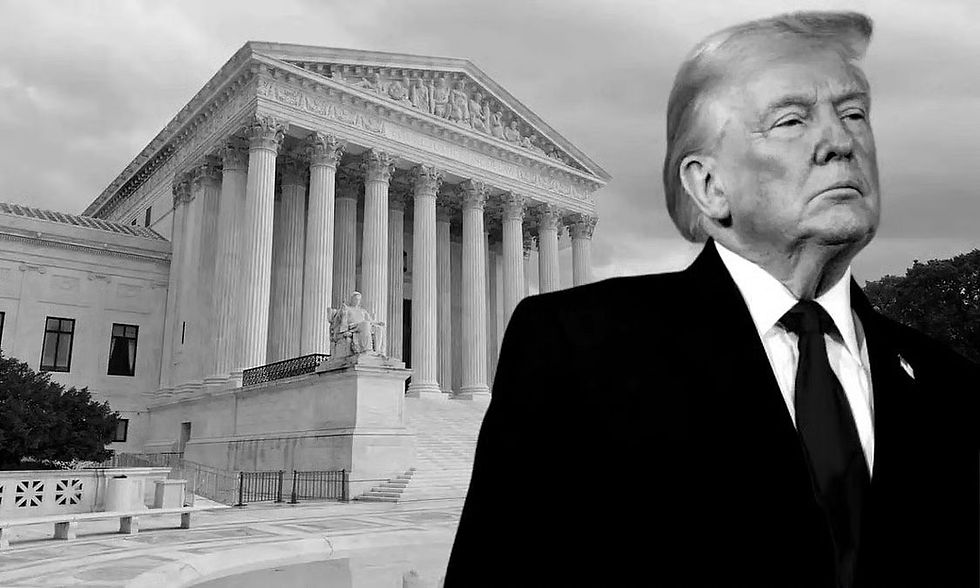
After the U.S. Supreme Court ruled earlier this year that Trump exceeded his authority in using emergency powers to impose sweeping tariffs, U.S. Customs and Border Protection (CBP) moved into the operational phase of returning potentially up to $166 billion collected from importers. Initial electronic payments were expected to begin around May 12, but some companies have already reported receiving money directly into their bank accounts this week.
For importers, logistics firms, and trade lawyers, the shift is more than symbolic. It represents the unwinding of a trade regime that reshaped supply chains, pricing strategies, and corporate planning across multiple industries. Thousands of companies are now racing to process filings through the customs refund portal — but the bigger question remains: does this permanently weaken the White House’s ability to weaponize tariffs through emergency powers?

The refund process itself appears to be functioning more smoothly than many in the logistics sector had feared. Swiss freight giant Kuehne + Nagel said the digital claims system has performed “surprisingly” well, despite widespread concerns that the scale and complexity of refund requests could overwhelm customs infrastructure. The company said thousands of customers have already submitted claims, covering most of its U.S.-importing client base.
Still, the administrative challenge is enormous. Companies are being required to revisit filings made during a period of rapidly shifting tariff rules and evolving trade directives. Trade specialists say many importers remain cautious about exposing themselves to additional government scrutiny while revisiting older declarations. The legal victory may be clear, but the compliance risks remain deeply sensitive.
The refunds also carry broader implications for global trade policy. Trump’s tariffs, imposed under the 1977 International Emergency Economic Powers Act, had become a defining feature of his economic nationalism strategy. The Supreme Court’s decision effectively drew a new constitutional boundary around executive trade authority, potentially limiting how future administrations deploy emergency statutes to reshape global commerce without congressional approval.
Financially, the repayments could provide meaningful short-term relief for importers already grappling with higher shipping costs, fragmented supply chains, and slowing global demand. Some lawyers say clients are already receiving payments with interest attached — a detail that underscores both the legal weight of the ruling and the scale of the government’s exposure.
Yet politically, the issue is unlikely to disappear. Trump’s tariff policies remain central to his broader economic message, and the court fight has transformed a trade dispute into a constitutional debate over presidential power. What began as a protectionist policy experiment has now evolved into a precedent-setting clash between the executive branch, the courts, and the mechanics of global trade itself.
CRUX
The tariff refund process is no longer theoretical. Money is already moving back to importers, turning a landmark Supreme Court ruling into one of the largest operational reversals of U.S. trade policy in decades — with consequences that extend far beyond customs payments.
The real aftershock of the tariff era may not be the trade war itself, but the legal limits it exposed.


