


Trump Rejects Iran Peace Deal as Strait of Hormuz Crisis Deepens
HOME > NEWS > NEWS & BUSINESS

This Article Is Available In
ENGLISH - GERMAN - FRENCH - ITALIAN - SPANISH
The fragile diplomatic opening between Washington and Tehran narrowed sharply on Monday after President Donald Trump dismissed Iran’s response to a US-backed peace proposal as “TOTALLY UNACCEPTABLE,” signaling that the 10-week Iran conflict may be entering a more dangerous phase rather than winding down. The rejection immediately rattled energy markets, with oil prices surging amid fears that disruptions in the Strait of Hormuz could deepen into a prolonged global supply shock.
Iran’s counterproposal reportedly demanded an end to the US naval blockade, guarantees against future attacks, sanctions relief, compensation for wartime damage, and recognition of Iranian sovereignty over the Strait of Hormuz. Tehran also linked any broader settlement to regional fronts including Lebanon, where clashes between Israel and Hezbollah continue despite ceasefire efforts.
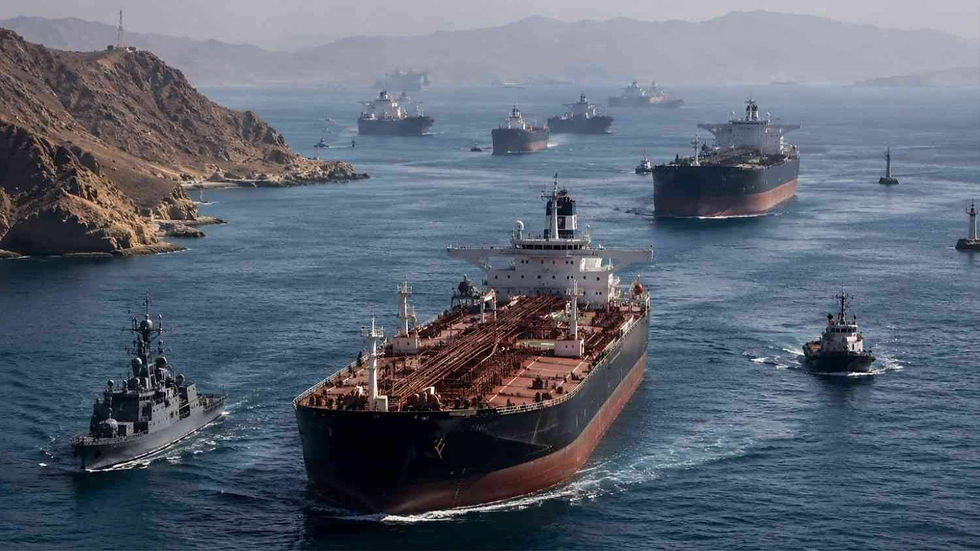
At the center of the Trump Iran Hormuz crisis is the Strait of Hormuz itself — the narrow maritime artery through which roughly one-fifth of global oil and liquefied natural gas normally flows. Shipping traffic has slowed dramatically since the conflict began in February, with some tankers reportedly navigating the route with trackers switched off to avoid becoming targets. Energy markets are now reacting less to military developments than to every diplomatic signal emerging from Washington and Tehran. But the bigger question looming over global capitals is becoming unavoidable: if diplomacy fails here, what exactly comes next?
That question now extends far beyond the Middle East. Trump’s handling of the war has strained relations with key allies across Europe and Asia, many of whom fear the United States is becoming increasingly unpredictable during major international crises. European governments remain wary of joining naval operations in Hormuz without a broader peace framework, while Asian economies dependent on Gulf energy imports are already absorbing the economic fallout from higher prices and shipping instability.

The conflict is also reshaping global strategic alignments. Trump is expected to raise Iran directly with Chinese President Xi Jinping during his upcoming Beijing visit, seeking pressure on China over its purchases of Iranian oil and its economic ties with Tehran. Beijing, however, has positioned itself carefully — calling for de-escalation while simultaneously rejecting unilateral US sanctions and maintaining its relationship with Iran. The diplomatic balancing act reflects China’s growing role as both economic stakeholder and geopolitical counterweight in the crisis.
Meanwhile, Israeli Prime Minister Benjamin Netanyahu has made clear that Israel views the conflict as unfinished business. In recent remarks, Netanyahu insisted Iran’s enriched uranium stockpile and nuclear infrastructure still must be dismantled, whether diplomatically or by force. Iranian President Masoud Pezeshkian responded defiantly, declaring that Tehran would “never bow down to the enemy.” Those competing positions leave little evidence that either side is preparing for meaningful compromise.

The war’s ripple effects are already spreading across the Gulf. Drone interceptions have been reported in the UAE and Kuwait, while cargo vessels operating near Qatar have come under attack. Insurance costs for shipping routes continue to climb, and governments from Europe to East Asia are quietly preparing for the possibility that the Hormuz disruption could persist for months rather than weeks. What began as a regional military confrontation is increasingly behaving like a global economic stress test.
For Trump, the political risks are also mounting domestically. Rising gasoline prices are beginning to weigh on US voters ahead of congressional elections, while critics argue the administration entered the conflict without a sustainable diplomatic or military endgame. At the same time, adversaries including China and Russia are studying how the world’s largest military power can still be constrained by asymmetric warfare, energy vulnerabilities, and alliance fractures.
CRUX:
The immediate crisis is no longer just about Iran’s nuclear ambitions or regional influence. It is about whether the world’s most strategically important energy corridor can remain functional while major powers pursue conflicting military, economic, and geopolitical objectives. Trump’s rejection of Iran’s terms may have closed one diplomatic path — but it has also intensified the pressure on every global actor tied to the stability of Hormuz.
The world is no longer watching a regional conflict — it is watching the architecture of global stability being stress-tested in real time.


